
When a model reads what it expects
A reading model looked at a sharp Finnish income statement and wrote LIKEVAIHTO. The letters were clear. The model wrote what it expected to see.
By Valtteri Hirvonen
Before SettledOS reads anyone's scanned documents, we test its reading on documents where we know every word: invented Finnish financial statements, typed, scanned and photographed, and public decisions. The answers came out right. Compared word by word with the page, a few words did not, and they were the same few words, wrong in the same way, on every run.
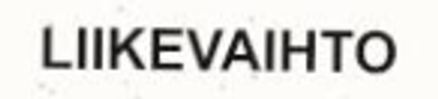 read asLIKEVAIHTO
Revenue, liikevaihto, loses a letter and becomes a word that does not exist. From a scanned statement.
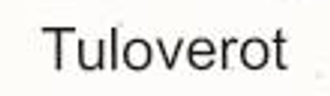 read asTuloerot
Income taxes, tuloverot, become income differences, tuloerot: a real word with another meaning, which a spell checker would pass. From a photographed statement.
 read asLIIKEVAIHTO
We printed this one wrong on purpose. The model put the missing letter back.
Is it the eyesight?
The obvious suspect was resolution. A reading model sees a page as a grid of small squares, and at the size a scan usually arrives in, one square covers about three capital letters. The second I in LIIKE is a few pixels inside a square it shares with its neighbours.
So we cut each troublesome word out of its page, enlarged it up to four times, and asked three different models to read it. Our main model needed exactly that: at the page's own size it read 13 of the 15 words right, and enlarged it read all 15. The other two did not improve at all. Shown the word on its own, large and sharp, they still wrote LIKEVAIHTO.
Measured 30 October 2026. A third, larger model behaved like the smaller one.
It reads words, not letters
A second test showed why. We printed a sheet in the statements' typeface: real Finnish words with doubled letters, the same words misspelt on purpose, and invented words with doubled letters that no model can have seen before.
Measured 30 October 2026: three models reading the same sheet drawn four ways, typed, scanned at two qualities, and clean.
The models see doubled letters well: the invented words came through almost untouched. They go wrong on words they know. A model does not copy a word letter by letter; it recognises the word and writes out its own version of it. Usually that version is right. When it is not, because a long Finnish word is shadowed by a short common one, or one familiar word sits a letter away from another, the model writes what it expects. The same habit “corrects” a typo on the page, and that matters just as much: in a contract or a decision, the typo is part of the record.
It is also consistent. Read the same page three times and you get the same wrong word three times, so comparing two runs of the same model finds nothing. That is how a mistake like this survives testing.
What we changed
We built SettledOS to catch a misread like this. How is the part we keep: it took a lot of measuring to get right, and it stays inside, like everything else.
On our test set of 49 documents, read three times over, no misread passed unmarked, and both misreads that came up were corrected: Tuloerot back to Tuloverot, and a misspelt letterhead. All 133 questions about the documents were answered right on every run.
No reader is perfect, people included. What we can do is make doubt visible: a word SettledOS is not sure of is marked, not guessed.